BOMBSHELL ANNOUNCEMENT: Parametta eals captain Clint Gutherson has been banned and suspended from sports activities as he was tested positive of….see more
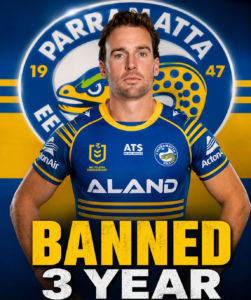
If confirmed through the official disciplinary process, the case would represent another reminder of the strict anti-doping regulations that govern professional sport. Rugby league has long maintained a zero-tolerance approach to the use of prohibited substances, with players expected to comply with rigorous testing procedures throughout the season.
According to early reports, the routine drug test was conducted as part of standard anti-doping protocols that are carried out during the competition. Samples are regularly collected from players both during the season and outside of competition to ensure fairness and protect the integrity of the game.
The alleged positive result has now triggered an investigation by the relevant anti-doping authorities. Under established procedures, athletes who return an adverse analytical finding are typically informed privately before any public announcement is made. They are also given an opportunity to respond, request analysis of the “B” sample where applicable, and present evidence before disciplinary action is considered.
At this stage, it is important to stress that a positive test alone does not automatically establish intentional wrongdoing. Anti-doping cases often involve detailed investigations into how the substance entered an athlete’s system. In some situations, athletes have successfully demonstrated that contamination, prescribed medication, or supplement-related issues contributed to the result. Each case is assessed individually according to the applicable anti-doping code.
If the investigation ultimately confirms an anti-doping rule violation, the player could face a range of sanctions depending on the nature of the substance, the circumstances surrounding the case, and whether there are any aggravating or mitigating factors. Potential consequences may include suspension from all rugby league activities, financial penalties where permitted, mandatory education programs, or additional disciplinary measures imposed by the player’s club or league.
For the player’s club, the timing could hardly be worse. As captain, the individual is not only responsible for performances on the field but also serves as a leader in the dressing room and an ambassador for the organization. Any prolonged absence would force the coaching staff to reorganize leadership responsibilities and potentially alter tactical plans for the remainder of the season.
Teammates are also likely to feel the impact. Losing a captain can affect morale, communication, and overall team chemistry. Leadership groups may need to step forward collectively while another player assumes the captaincy on an interim basis if required.
Fans have reacted with a mixture of disappointment, concern, and caution. While some supporters have expressed frustration over the reports, many others have urged people to wait until the investigation is complete before drawing conclusions. Social media has been filled with speculation, but official information remains limited.
Former players have also commented on the broader issue of anti-doping in professional sport. Many have emphasized that athletes today operate under extremely strict regulations regarding medications, supplements, and nutritional products. Even products purchased legally may contain prohibited ingredients or contaminants if they are not properly certified.
Sports scientists frequently advise professional athletes to use only supplements that have undergone recognized quality assurance testing. Clubs also invest significant resources in educating players about the risks associated with over-the-counter products and nutritional supplements.
The governing body’s anti-doping program exists to ensure a level playing field for every competitor. Routine testing acts as both a deterrent and a method of protecting clean athletes who compete within the rules. These programs have become increasingly sophisticated over the years, incorporating biological passports, intelligence-led investigations, and advanced laboratory analysis.
For young rugby league players, the case serves as another important lesson about the responsibilities that accompany professional sport. Elite athletes must carefully monitor everything they consume, from prescription medications to vitamins and protein supplements. Many clubs now require medical staff to approve any supplement before it can be used by players.
Should formal charges eventually be confirmed, disciplinary hearings would examine all available evidence before determining the appropriate sanction. The player would have the right to legal representation and the opportunity to challenge any findings through the relevant appeal process.
Until those procedures have concluded, it remains essential to distinguish between allegations and proven violations. Public speculation can have lasting effects on reputations, making fairness and due process particularly important throughout the investigation.
The club involved has not yet released detailed comments regarding the reports, although organizations in similar situations typically cooperate fully with anti-doping authorities while supporting the integrity of the investigative process. Clubs also generally refrain from making extensive public statements until official findings are released.
Media coverage surrounding anti-doping cases often attracts significant attention because of the high-profile nature of professional athletes. Captains, in particular, are viewed as role models both within their clubs and throughout the wider sporting community. Any disciplinary matter involving such individuals naturally becomes headline news.
Beyond the immediate sporting implications, sponsorships and commercial partnerships may also be affected if disciplinary proceedings progress. Companies often monitor developments closely before deciding whether any contractual action is necessary.
Regardless of the eventual outcome, the case highlights the importance of transparency, education, and robust anti-doping systems. Maintaining public confidence in professional rugby league depends on consistent enforcement of the rules while ensuring every athlete receives a fair opportunity to respond to allegations.
Supporters, teammates, and the wider rugby league community will now await official updates from the relevant governing authorities. Until a final decision is announced, many questions remain unanswered, including the specific substance involved, the circumstances surrounding the test, and whether any sanction will ultimately be imposed.
The coming weeks are likely to be critical as investigators review the evidence and determine the next steps. Whatever the final outcome, the case reinforces the message that professional athletes are held to the highest standards of accountability and that anti-doping regulations continue to play a vital role in protecting the integrity of rugby league.
.





Post Comment