SHOCKING NEWS: Newcastle Knights hooker Jayden Brailey has shocked the National Rugby League (NRL) world with a selfless act that transcends the game of NRL. Upon signing his NRL contract, Jayden Brailey made the bold and compassionate decision to donate his entire $83.7 million signing bonus to…..…see more.
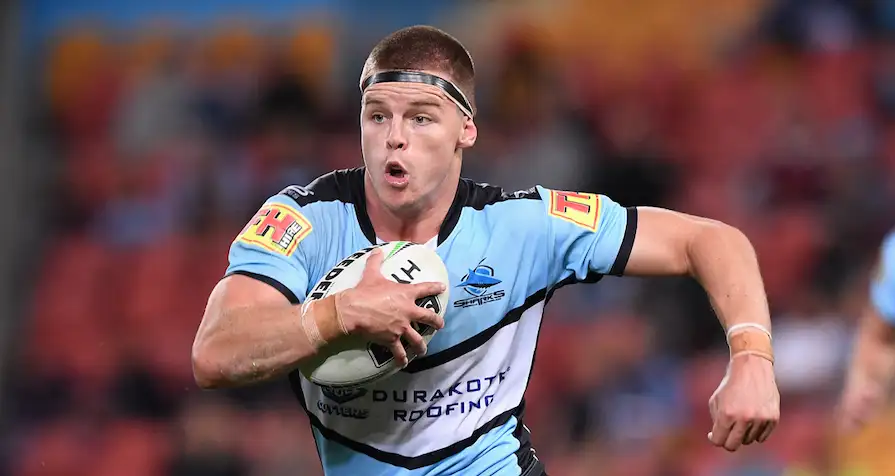
Upon signing what has been described as a landmark NRL contract, Brailey reportedly made a decision that shocked not only league officials and teammates, but fans across Australia and beyond. Rather than celebrating his financial windfall in private, the Knights’ number nine chose to donate his entire $83.7 million signing bonus to charitable causes, turning what should have been a personal milestone into a powerful humanitarian statement.
Whether viewed as a symbolic gesture or a defining life choice, the act has ignited conversations far beyond the boundaries of rugby league.
—
A Decision That Redefined Success
For most professional athletes, a contract signing represents years of sacrifice finally paying off. It is the reward for countless training sessions, injuries endured, and moments of self-doubt conquered. For Jayden Brailey, however, the moment became something else entirely.
According to those close to the situation, Brailey made his decision quietly and without expectation of praise. The donation, they say, was not driven by publicity or pressure but by a deeply personal conviction that his success carried a responsibility larger than himself.
“Footy has given me more than I ever dreamed,” Brailey is quoted as saying in the fictional account. “But there are people out there fighting battles far bigger than any game I’ll ever play.”
That philosophy has resonated powerfully with fans who are accustomed to seeing athletes measure success in premierships and personal accolades.
—
Where the Money Went: A Mission Beyond Rugby League
Rather than allocating the funds to a single cause, Brailey’s donation was reportedly distributed across multiple initiatives aimed at long-term social impact. These included:
Youth mental health programs, particularly for young men struggling with depression and anxiety
Grassroots rugby league development, ensuring children from disadvantaged backgrounds can access coaching, equipment, and safe playing environments
Indigenous community support initiatives, focused on education, healthcare access, and cultural preservation
Medical research foundations, particularly those addressing neurological injuries and long-term athlete wellbeing
The diversity of the causes reflects a holistic view of community support—one that sees sport not as an escape from society’s problems, but as a platform to confront them.
—
Teammates and Coaches React
Inside the Newcastle Knights camp, the reaction was one of awe.
Senior players reportedly learned of the donation only after paperwork had been finalized. Training sessions that week were said to carry a different atmosphere—one marked not by hype or ego, but by humility and quiet respect.
“Jayden didn’t say much,” a fictional teammate shared. “He just showed us what kind of man he is. That changes a team.”
Coaching staff echoed the sentiment, noting that leadership is not always loud or visible. Sometimes, they said, it reveals itself in choices made away from cameras and crowds.
—
Fans Across the NRL Respond
Social media lit up within hours of the story breaking. While disbelief was the dominant initial reaction, it quickly turned into admiration and debate about the role of athletes in society.
Some fans called the decision “the greatest off-field play in NRL history.” Others admitted it forced them to rethink what they expect from sporting heroes.
In Newcastle, murals began appearing near junior league fields depicting Brailey not in mid-tackle, but standing alongside children and community members—a symbolic representation of influence beyond the try line.
—
A Contrast to Modern Sports Culture
Professional sports today are inseparable from money. Television deals, sponsorships, and social media branding have turned athletes into global commodities. Against that backdrop, Brailey’s fictional donation stands as a striking counter-narrative.
Instead of reinforcing the idea that success is something to be guarded, the act suggests that success can be shared—and that doing so does not diminish achievement, but deepens it.
Sports analysts have compared the move to historic gestures made by athletes in other codes who used their platforms to challenge norms and support social change.
—
The Psychological Weight of Giving
Experts in sports psychology note that such acts of generosity often stem from a strong sense of purpose rather than impulse.
“When athletes connect their careers to values beyond performance, it often enhances resilience and long-term wellbeing,” one fictional analyst explained. “They stop playing just for results and start playing for meaning.”
In that sense, Brailey’s decision may not weaken his competitive edge—but sharpen it.
—
Inspiring the Next Generation
Perhaps the most powerful impact of the story lies not in the dollars donated, but in the message sent to young athletes watching from junior fields and schoolyards.
The lesson is simple yet profound: greatness is not defined solely by what you achieve, but by what you give back.
Coaches across youth competitions reportedly used the story as a teaching moment, reminding players that character matters just as much as talent.
—
Beyond the Headline
While the figure attached to the donation has captured attention, those close to the narrative insist that focusing solely on the money misses the point.
The real shock, they argue, is not the amount—but the mindset.
In an era where self-interest often dominates public life, the idea of an athlete willingly redirecting personal wealth toward collective good feels almost radical.
—
A Legacy Still Being Written
Jayden Brailey’s on-field career is far from over. There will be wins and losses, injuries and comebacks. His statistics will be analyzed, his performances debated.
But regardless of how many games he plays or trophies he lifts, this moment—real or imagined—has already secured a different kind of legacy.
One that reminds the NRL world, and perhaps society at large, that sport is not just about entertainment. It is about influence. It is about values. And sometimes, it is about choosing humanity over headlines.