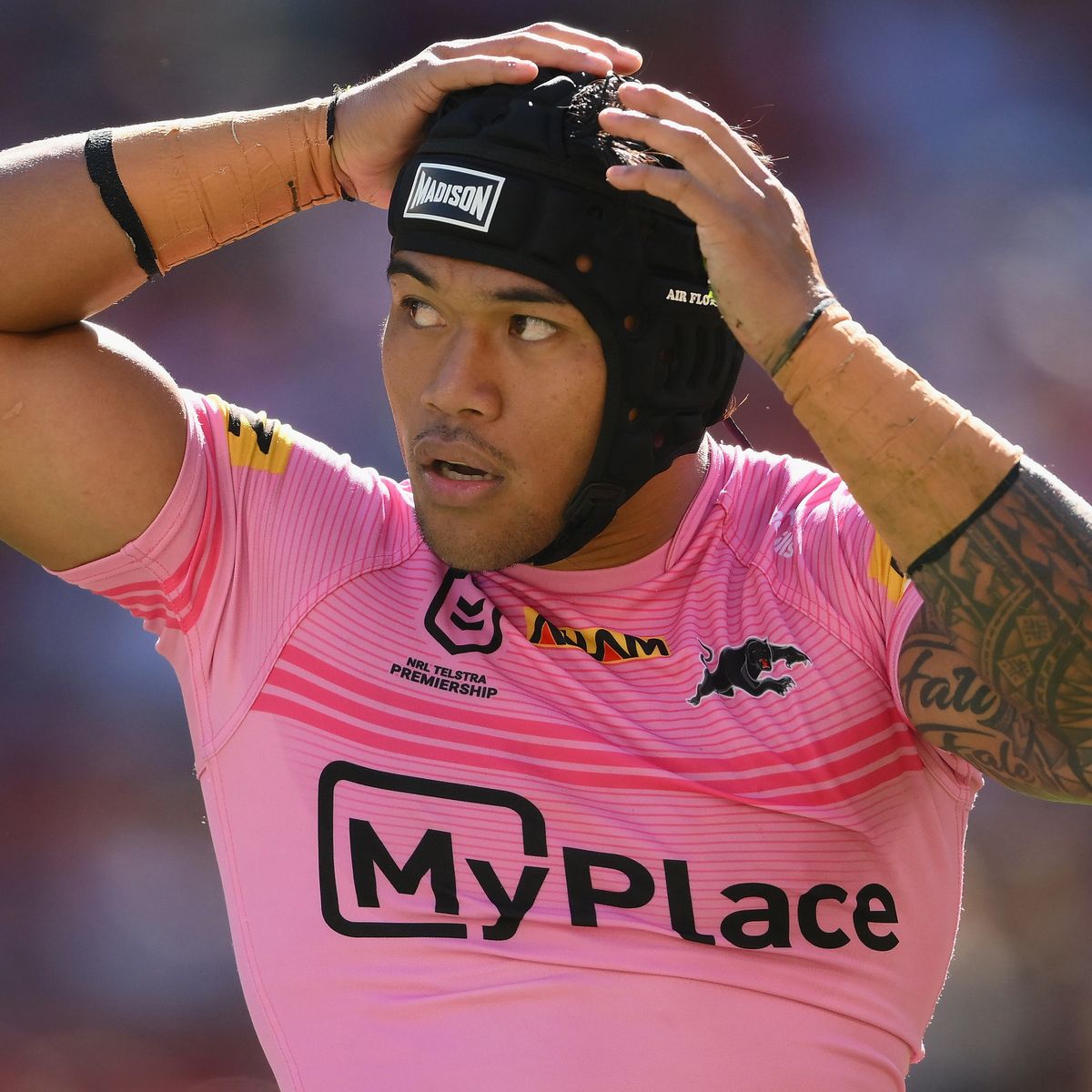
To’O, 27, had been one of the brightest young stars in the league. With lightning pace, deft ball control, and an uncanny ability to score decisive goals, he had quickly become a fan favorite and a key figure in his club’s championship aspirations. His rise was meteoric, but the fall—abrupt and dramatic—was confirmed after NADA’s announcement confirmed the presence of a prohibited anabolic agent in his system following an out‑of‑competition test in late November.
According to the official statement from NADA, routine testing performed on November 28 detected metabolites consistent with a powerful anabolic steroid that is strictly prohibited in all competitive sport under World Anti‑Doping Agency (WADA) code. The governing body’s anti‑doping panel reviewed the results, conducted hearings, and ultimately upheld the findings after To’O’s legal team failed to provide a substance origin explanation that met the required standards.
“NADA has determined that Brice To’O committed an anti‑doping rule violation,” the official statement read. “In accordance with the World Anti‑Doping Code, a three‑year period of ineligibility is imposed, effective immediately.”
The penalty includes disqualification of results from the date of the positive test, financial fines, and a comprehensive educational plan should To’O seek reinstatement after the ban. The decision was unanimous among panel members.
Reaction from the Club and Teammates
Brice To’O’s club—Northbridge United—released a brief but firm statement acknowledging the ban and emphasizing its commitment to clean sport: “We are deeply disappointed by the findings and the resulting suspension of Brice To’O. We stand by anti‑doping efforts and have cooperated fully with the authorities. We will support our players to ensure compliance and integrity within the sport.”
Several teammates expressed shock and dismay in media interviews, with midfielder Javier Soto saying, “Brice was one of the most dedicated players I knew. I can’t believe this.”
Fans were similarly stunned. Social media erupted with disbelief early Wednesday morning, with trending hashtags like reflecting the polarized reactions.
The Investigation: Was It Intentional?
The crucial question now is not merely whether To’O’s test was positive, but whether the ingestion of the banned substance was intentional. His legal team argued during the hearing that the steroid entered his system inadvertently, possibly through contaminated supplements or mislabeled products—a defense not without precedent.
Yet investigators revealed troubling new testimony from a personal trainer previously associated with To’O, indicating irregular supplementation practices and pressure to enhance recovery during a particularly grueling mid‑season stretch. Sources close to the case suggest that the supplementation regimen was neither overseen by the club’s medical staff nor disclosed to team authorities.
One anonymous source familiar with the case told reporters, “There were multiple red flags. The substances Brice was using weren’t properly vetted, and some were purchased from overseas suppliers with questionable legitimacy.”
This does not, in itself, prove deliberate cheating under the anti‑doping code—but it does complicate To’O’s defense and may weaken any appeal.
Broader Implications for Sport
Beyond the personal tragedy of one player’s suspension lies a larger debate about the culture of elite sport. Performance pressure—exacerbated by contract incentives, sponsorship deals, and fan expectations—has blurred ethical lines for many athletes. Sports psychologists and anti‑doping experts argue that inadequate education and lax oversight contribute to a climate where the risks of banned substances are poorly understood or willfully ignored.
Dr. Helena Marks, a leading voice in athlete welfare, commented: “When we see these incidents, it’s not just about one individual. It’s about the ecosystem that surrounds them: coaches, agents, supplement suppliers, regulatory bodies. There needs to be a comprehensive education program and tighter controls if we are to protect athletes from making permanent mistakes.”
Marks advocates mandatory nutritional and anti‑doping education at all levels of professional sport, starting as early as youth academies.
Public reaction has been swift and unforgiving. Sports talk shows, podcasts, and online forums are ablaze with speculation. While some fans condemn To’O as dishonest and untrustworthy, others call for empathy and stress due‑process.
At the same time, rival fan bases see the scandal as confirmation of long‑held suspicions about the pressures on elite athletes. Media commentators debate whether the punishment is too harsh or too lenient, with legal analysts breaking down every clause of the anti‑doping code.
To’O’s suspension begins immediately, and he is prohibited from participating in any organized sporting activity governed by WADA signatories. This includes training with the team, competing in exhibitions, or appearing in promotional events.
His legal team has signaled that they plan to appeal the ruling to the Court of Arbitration for Sport (CAS), arguing that the burden of proof for intent was not met and that contamination is a plausible explanation. Such appeals have occasionally succeeded in reducing sanctions—but overturning a three‑year ban is extremely rare.
While headlines focus on bans, tests, and legal technicalities, there is a deeper human narrative unfolding. Brice To’O was not just a sportsman; he was a son, brother, community role model, and mentor to young players. Local youth programs that he supported in his hometown have already begun planning fundraisers to honor his positive contributions, even as they grapple with the cloud now hanging over his legacy.
His agent, Simone Kail, called the fallout “heartbreaking” and urged fans to remember the person behind the headlines:
The suspension of Brice To’O—fictional though it may be—holds real lessons for anyone involved in competitive sport. It highlights the need for robust education about banned substances, meticulous oversight of dietary and performance supplements, and the relentless pressure that elite athletes face. Whether intentional or accidental, the consequences of a doping violation are severe, affecting not only a player’s career but also their reputation and mental well‑being.
Leave a Reply